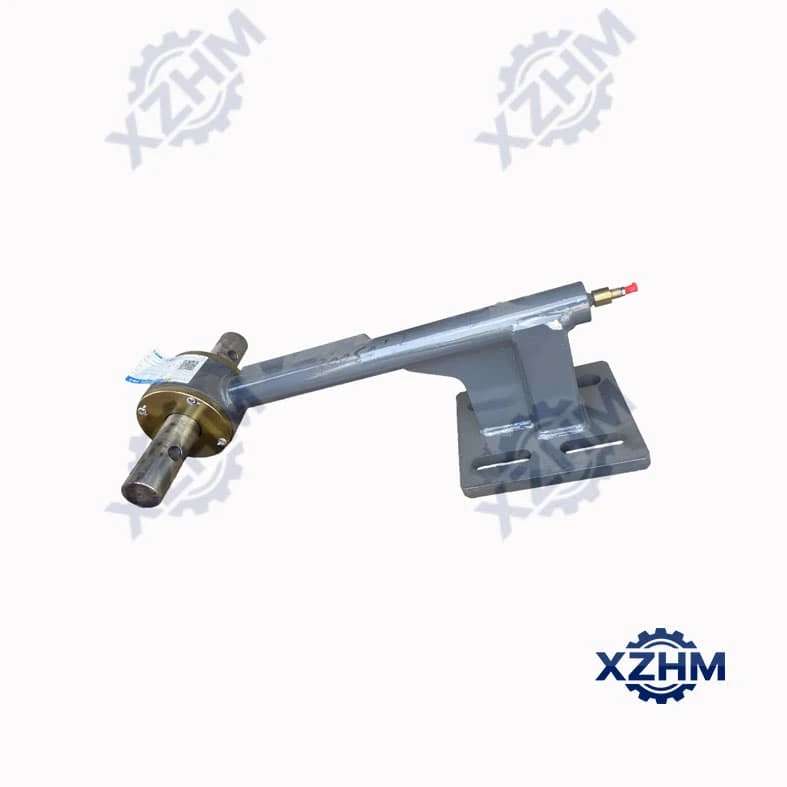
When it comes to maintaining the integrity of paved surfaces, understanding how to diagnose paving surface defects is crucial. I promise that by the end of this article, you will have clear, actionable steps to effectively address these issues, specifically those caused by worn or misaligned Paver Parts. We will explore the diagnostic process, identifying defects, and implementing solutions that can streamline your maintenance efforts and ensure a durable surface.
Identifying Common Defects
Before diving into the remediation process, we need to identify the common defects that arise from worn or misaligned paver parts:
- Surface Cracking: Due to excessive load or improper installation.
- Settling or Uneven Surfaces: Often a result of base material compaction issues.
- Displacement of Pavers: Misalignment can lead to loose or shifted paver parts.
- Surface Erosion: This indicates inadequate sealing or protection.
Diagnostic Step-by-Step Process
To pinpoint these defects, let's break down the diagnostic process into manageable steps.
-
Visual Inspection:
- Walk the entire paved area and observe for any visible surface defects, taking note of cracked or uneven pavers.
- Pay attention to any puddles or drainage issues that might suggest misalignment.
-
Tactile Assessment:
- Use a straight edge to check for levelness across multiple points on the surface. Deviations should be no more than 0.5mm in deviation based on ASTM D6057 standards for flatness.
- Press on individual paver parts to identify any loose units.
-
Leveling Measure:
- Implement advanced leveling tools, such as laser levels or digital inclinometers, for accurate measurements.
- Ensure your readings are precise to 0.01mm to determine the need for adjustments effectively.
-
Documentation:
- Maintain a defect log that includes photographs, measurements, and exact locations of issues.
- This record is crucial for planning effective remediation strategies.
Real-World Impact of Addressing These Defects
Fixing paving surface defects not only enhances the aesthetic appeal of your property but also prolongs the lifespan of your paved surfaces. Businesses experience increased foot traffic and customer satisfaction when their premises appear well-maintained.
Overcoming Potential Challenges
While diagnosing paving surface defects is essential, you may encounter challenges, including:
- Weather Conditions: Rain or snow can hinder inspections. Schedule assessments during dry periods.
- Equipment Calibration: Ensure all tools are calibrated correctly prior to use for precise measurements.
- Labor Costs: Consider bundling assessments with routine maintenance to maximize resource allocation.
Proper training on the equipment and techniques can mitigate these challenges significantly.
Recommended Tools and Resources
Investing in the right tools can enhance diagnostic efficiency:
- Laser Level: For pinpoint accuracy.
- Digital Inclinometer: To measure angular deviations effectively.
- Inspection Cameras: To document and analyze hard-to-reach areas.
These resources can streamline the diagnostics, ensuring you comply with industry standards.
Key Takeaways to Inspire Immediate Action
- Conduct a thorough visual and tactile inspection of your paved surfaces, noting all defects.
- Utilize precise measuring instruments and maintain a documented record of findings.
- Be proactive in addressing any identified issues to maintain functionality and aesthetic appeal.
- Train your team on best practices to ensure standards are upheld consistently.
By following these detailed steps, you can effectively diagnose paving surface defects caused by worn or misaligned paver parts and maintain the quality of your surfaces. Remember, investing time in the diagnostic process now will pay dividends in reduced repair costs and improved longevity of your paving investments. Don’t hesitate—take action today and refer to expert resources like XZHM for additional support in your maintenance endeavors.